Why Can BSC Successfully Replicate the Solana Ecosystem Meme Miracle?

By: blockbeats|2025/03/19 14:30:03
0
Share
copy

Under the blessing of the three-wheel Meme craze, BSC has transformed from CZ retweeting a tweet supporting a "Happy Trading" rug pull newbie to now being a united "multi-component" upgrading together, acting as the "external armor" connecting exchange liquidity, and mastering the combination attack of market sentiment manipulation, becoming a "veteran." What has BSC done? Why is it said to be most likely to replicate Solana?

Testing Starts with "Test Coins"

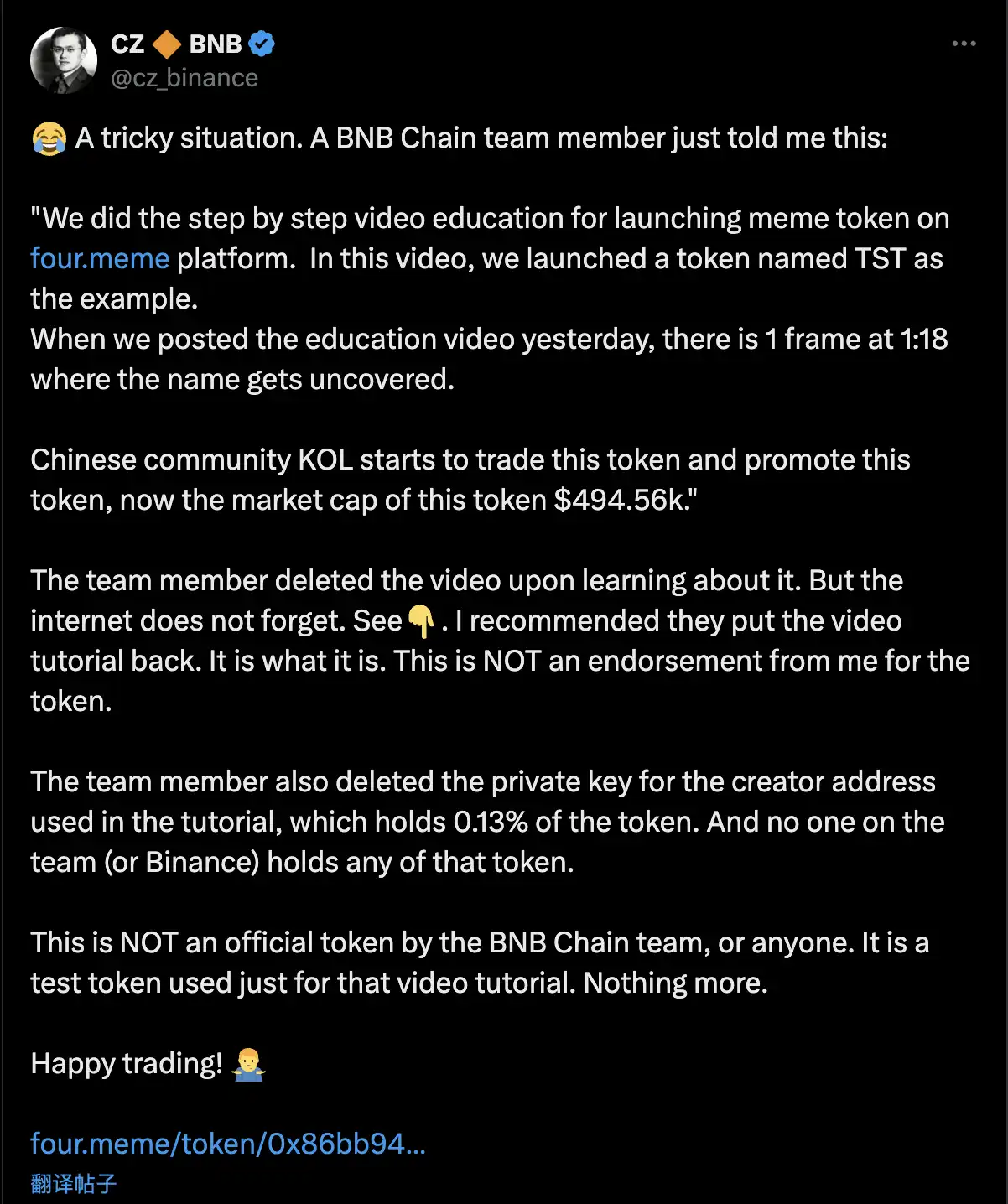
BSC's Meme skill growth can be divided into three parts. On February 5th, the BNB chain team released a promotional video for Four.meme containing test tokens. Similar test tokens hyped by the market are actually not rare, including previous instances like pumpfun or various Dex demo videos. What's peculiar is CZ, who never played with Memes, reacted to this. The next day, CZ retweeted the video tweet and explained the situation, with his solution summed up in just two words, "Happy Trading."

Why Can BSC Successfully Replicate the Solana Ecosystem Meme Miracle?

The gears of fate started turning at this moment. The market's response to the first-ever Meme call-out from the top influencer in the industry on that day pulled the token's market cap up to $50 million, and three days later, when it listed on Binance, $Tst skyrocketed to a $600 million ATH. This wave of wealth effect caused BSC's Dex trading volume to more than triple, but the frenzy did not last long.
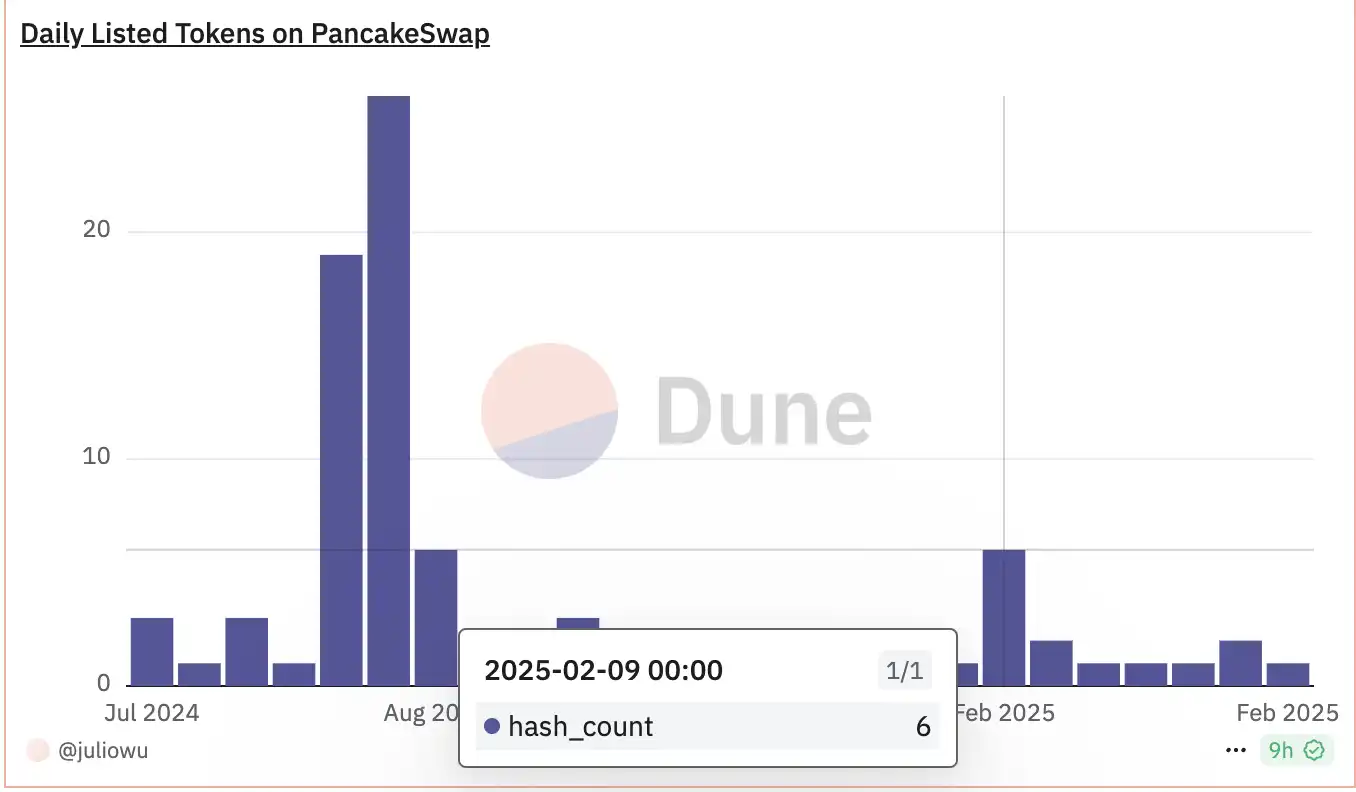
However, at this stage, CZ's Meme skills still appeared somewhat amateur. He underestimated the rallying power of his own words, attempting to casually end it with "Happy Trading," but failed to control the spread of market FOMO sentiment. After $TST listed on Binance, liquidity did not continue to grow but was instead seen as a short-lived attention economy frenzy. Looking at the fact that only 10 tokens were successfully launched on the Four.meme platform that week, CZ's initial "test" did not bring long-term ecosystem vitality to BSC. This indicates that he is still exploring the community-driven nature of Meme coins and the market's rhythm.

But what truly sparks imagination is Binance's shift in attitude towards Meme coins. Compared to the cautious approach of BSC Meme coins in the past to avoid suspicion, this time "Binance can even list test coins, so what about other Memecoins?" planted a seed of thought in the community. How much liquidity can the first CEX bring to Meme? This question was directly answered a few days later.
Doge is a Required Course

On the morning of February 13, CZ tweeted expressing curiosity about the operation mechanism of the MEME coin, inquiring whether just sharing a pet's name and photo would lead to someone creating a related token, and questioned how to differentiate the "official" version. Upon understanding the related mechanism, CZ stated, "The way things work is interesting. As with dealing with major decisions as usual, I need to ponder for about a day. Should I respect his privacy, or should I disclose the dog's information for everyone? Well, I may also interact with a few MEME coins on the BNB Chain."

When someone suggested using a random dog photo, CZ responded, saying no, as that would be deceitful. If it's to be done, it must be done correctly. It's just about sharing a dog photo and name.

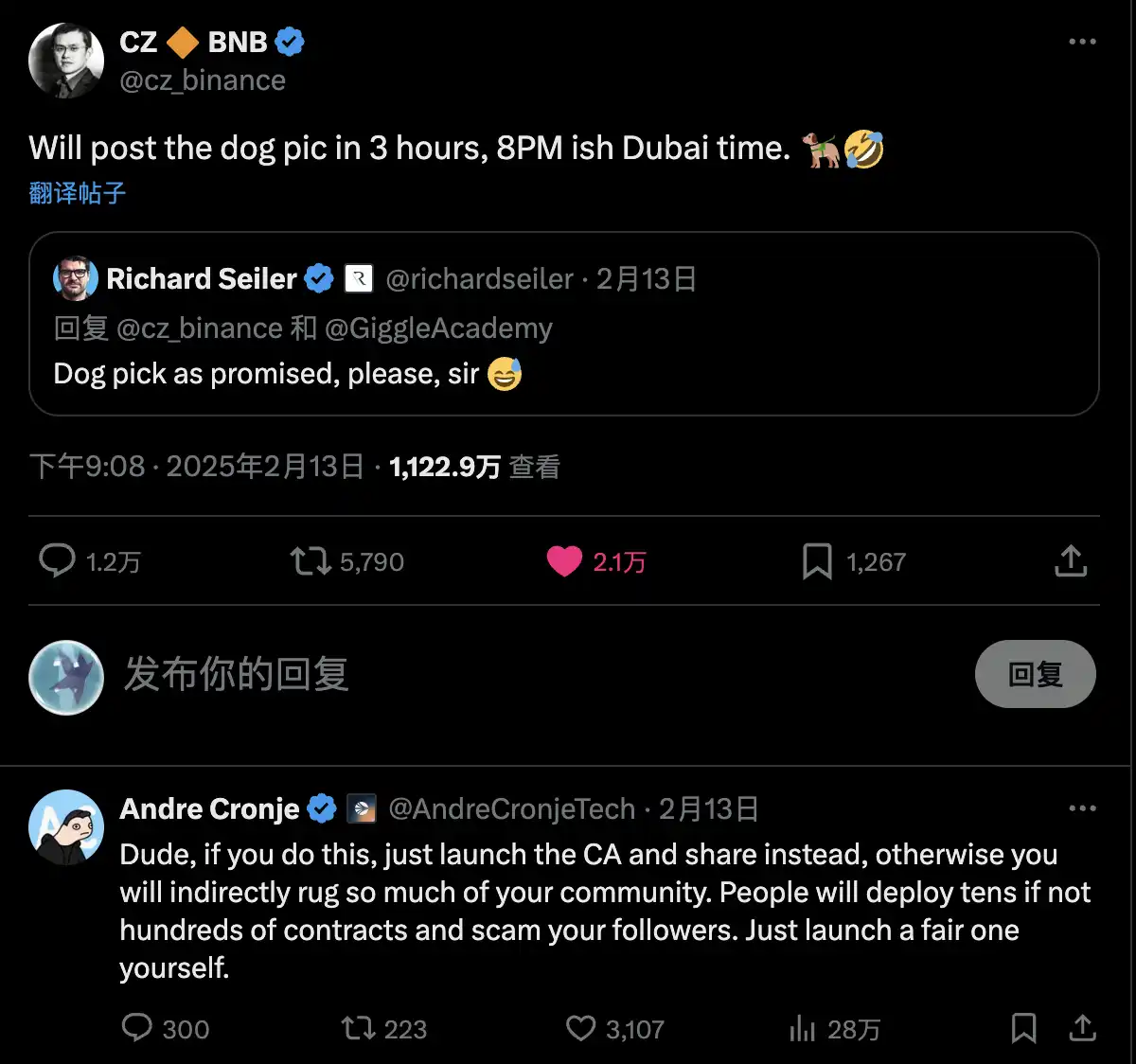
Subsequently, the entire internet began speculating on CZ's pet dog's name and started lurking around related MEME coins in an early attempt to "get a seat," with a few token market caps even being inflated to thousands or even billions of dollars. Later that day, CZ teased that he would release the dog's photo in about 3 hours (around 8 p.m. Dubai time), whetting the appetite of MEME players.

After hours of waiting, CZ finally unveiled the photo of the pet dog Broccoli and their story in the early hours of February 14, stating, "I just posted a picture of my dog and his name. I will not personally issue a Meme coin. It depends on whether the community wants to do it. The BNB Foundation may provide rewards for the top MEMEs on the BNB Chain, offering LP support or other rewards. Details are still being discussed. More to come."
Following that, there was a frenzy on the BNB Chain. Thousands of MEME coins named after Broccoli suddenly emerged, to the extent that even the Binance Web3 wallet had a section titled "CZ's Dog." Investors were dazzled, followed by an on-chain PvP battle and RugPull performance centered around Broccoli, the "broccoli." The BNB Chain faced a large-scale stress test, but the results were not optimistic. The BNB Chain did not withstand this wave of stress testing, with a congested network, a lagging frontend, and traps everywhere. Meme players coming from the smooth Solana network complained about the poor experience.

As commented by Brother AC, since CZ did not disclose the contract address, originally intended to allow the community to grow on its own, this Meme directly caused significant losses for retail investors on the BSC, with even the highest market cap among the Broccoli coins only reaching a billion dollars. Despite a relatively high level of market participation, the funds were highly dispersed, failing to form a consensus leader project. Liquidity shifted to the pockets of developers and insiders, with a large number of rock and insider hands intertwined, making investors the sacrifice for liquidity exit. According to on-chain data analyst Yu Jin's monitoring, one creator of a Broccoli on the BNB Chain spent only 1 BNB to profit $6.72 million, achieving a 9517x return in 24 minutes.

In this round, the "intern" CZ's progress in BSC Meme manipulation has its limitations. He started to understand the cultural attributes of Meme, mobilizing community emotions through teasers and storytelling tweets, demonstrating higher engagement than the $Tst period. However, he has not yet mastered how to guide market consensus, listing multiple tokens with the same name under Binance Alpha, leading to severe token homogenization. Furthermore, the infrastructure has caused BSC network congestion due to high-concurrency transactions and a severe MEV situation, failing to create a smooth Meme ecosystem similar to Solana's.
CZ later reflected that this was an unexpected "stress test," acknowledging that BSC still lags in scalability and community guidance. This experience made him realize that Meme not only needs popularity but also infrastructure support and clear guidance. This social experiment indeed brought some on-chain educational reflections to BSC. They should deeply understand that to promote on-chain culture, infrastructure, cultural education, community guidance, and even the impact of leaders' "freedom of speech" are essential.

Culture, Personalities, and Infrastructure: The Trio of Memes

Over the next month, due to the overall bearish sentiment in the market, BSC had time to address some of the issues encountered in the previous "stress test." Just as the "Mubarak" was happening, everything was ready.

The distribution of the $4.4 million liquidity support to the top Meme, which had been previously incentivized, was completed. Three days later, on March 10, the announcement was made to start the second round of liquidity support. Prior to this, CZ personally intervened to try on-chain products, and the first time using the on-chain tool, the "newbie" CZ realized the problem after using the in-house Dex. In March, the Pascal hard fork test was initiated, introducing gas abstraction, smart contract wallets, bundled transactions, and repeatedly expressed determination to thoroughly improve malignant MEV.

After all these preparations were made, the new round of "stress test" arrived. With a retweet and caption by CZ saying "Mubarak," the formal start of the "test concept," followed by the "broccoli concept" third wave summitting a piece of cloth, the world's richest "Middle East concept." Regarding the "Mubarak" event, Rhythm also made related content reports, which are not reiterated here.

Further Reading: "Mubarak Weekend Soared 1300 Times, CZ Adds A Few More A8 Players to BSC | 100x Recap"

During this market cycle, the sentiment towards this round of 'CZ' market manipulation, known as Meme Season, has been mostly positive and bullish. What stood out this time was the sense of timing compared to previous occasions, which was like night and day. First, the news about MGX's investment in Binance captured everyone's attention. In conjunction with Binance's Chinese-language Twitter account, CZ created a "Mubarak" concept out of thin air and interacted with the simple and understandable IP character "Palu." CZ quickly interacted with one of the Mubarak community members on Twitter, avoiding the chaos seen during the previous "broccoli" period. At key moments, strategically positive developments were used to elevate Mubarak to a new height. This triggered a broader sense of Meme Season. Following Mubarak's listing on Binance, Binance Alpha 2.0 was introduced, and the "BNB Goodwill Alliance" was established to counter MEV.

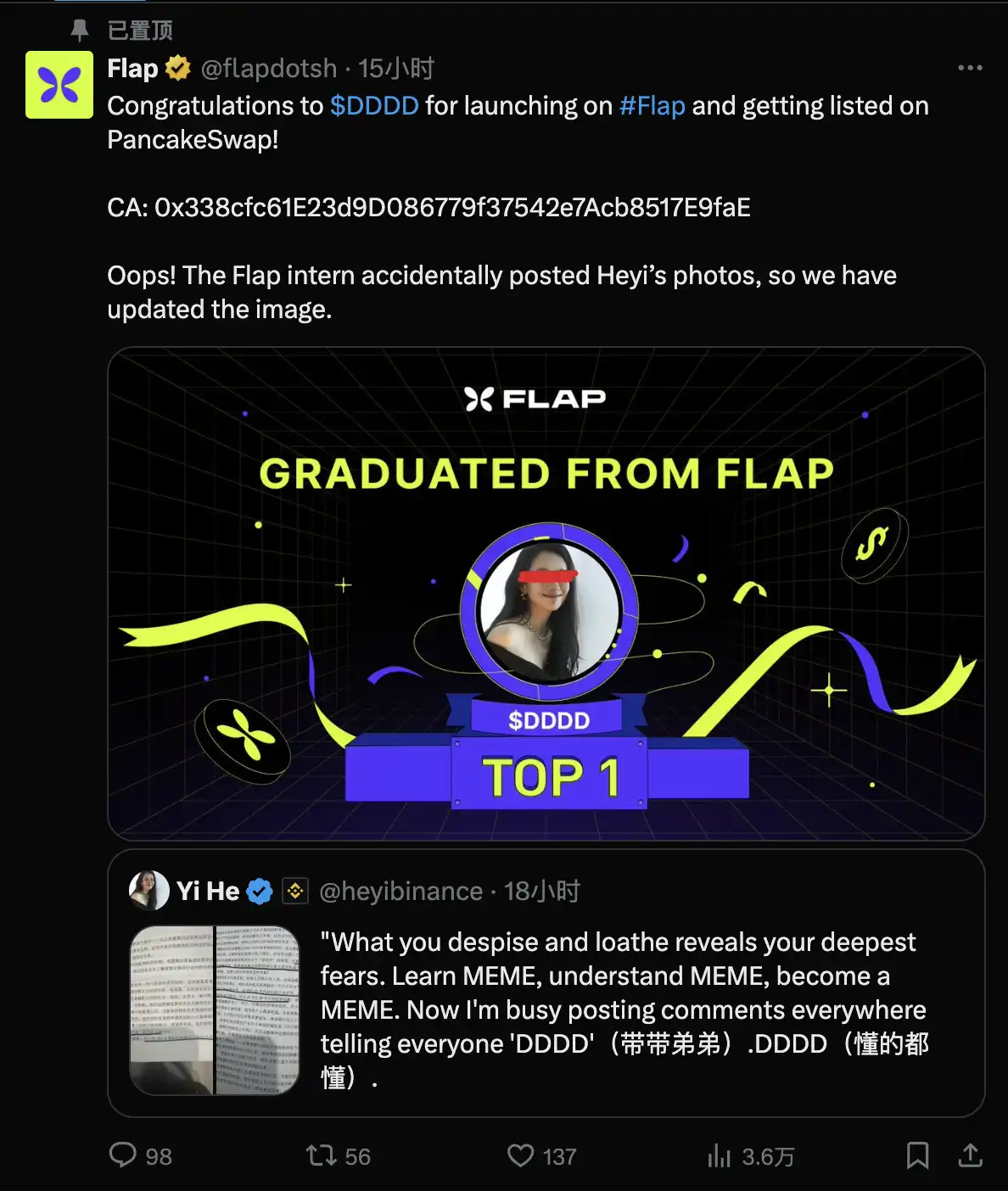
There has also been a rise in unofficial, spontaneously emerging infrastructure. For example, during the downtime of Four.meme, Flap took over the spotlight from Palu with the "DDDD" trend, and new token launch models like FairMint emerged. More and more infrastructure projects are appearing during this cycle.
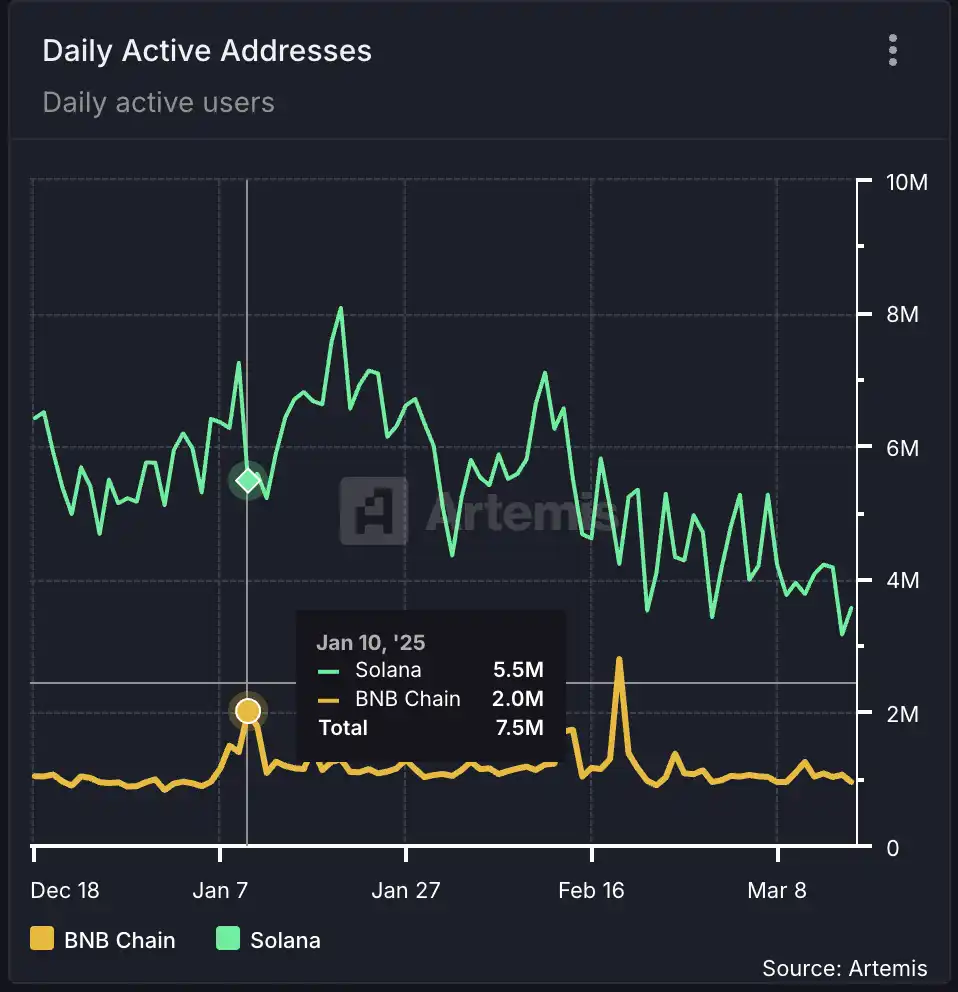
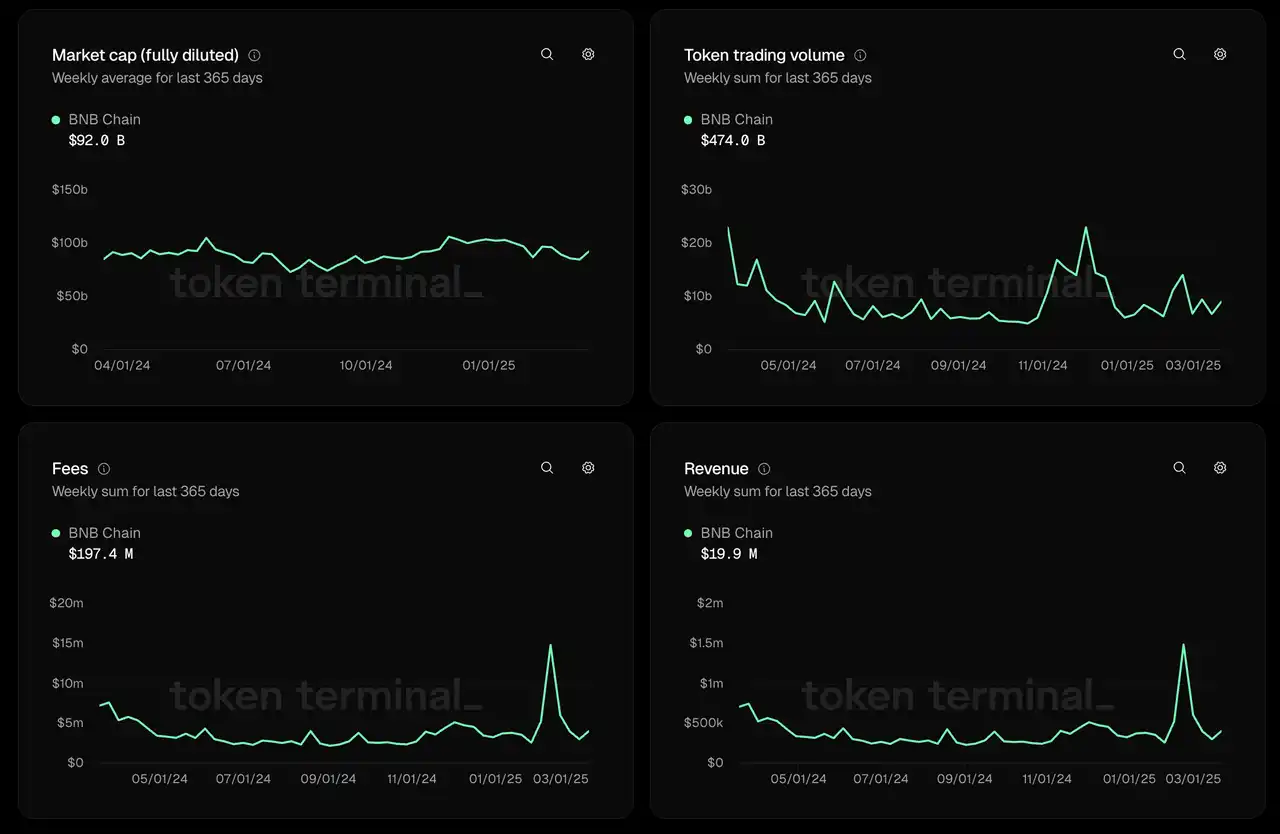
The effects of this Meme Season have significantly benefitted Binance, especially when looking at the data. The most notable impact is the Dex trading volume, which at one point during this cycle reached twice that of Solana.

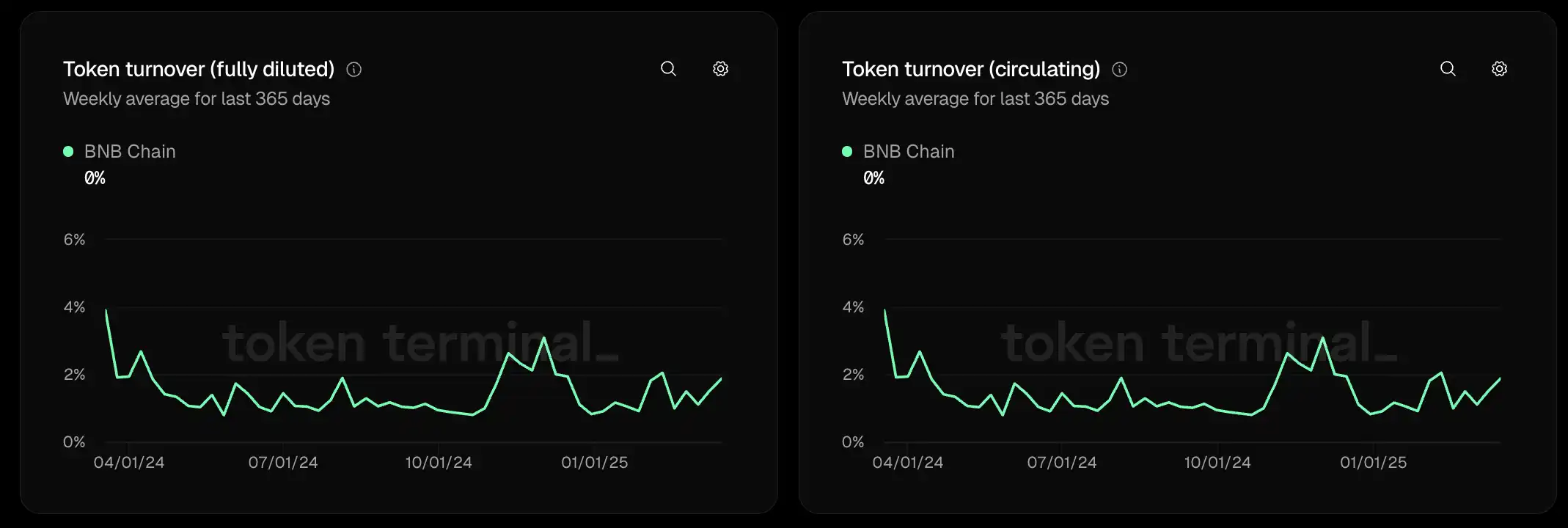
Token turnover rate hit multiple highs but a substantial amount of external funds did not flow into the ecosystem. This indicates that liquidity is formed by genuine on-chain buy and sell orders, and the trend remains bullish.
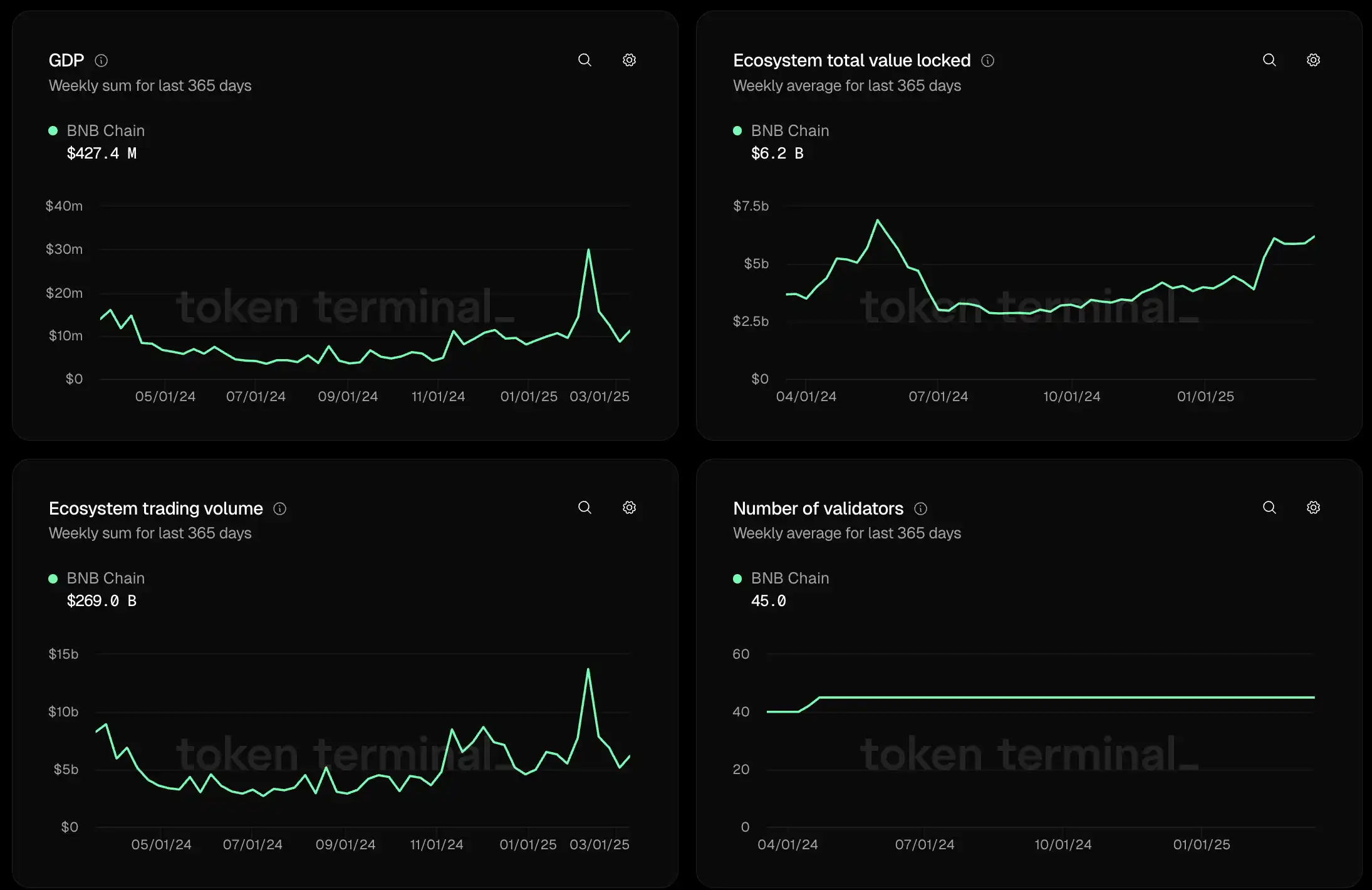
GDP represents the ratio of fees earned by applications in the ecosystem. While GDP and ecosystem transaction volume have remained relatively stable, TVL in the ecosystem has doubled, indicating that on-chain liquidity is still not saturated relative to the number of participants.
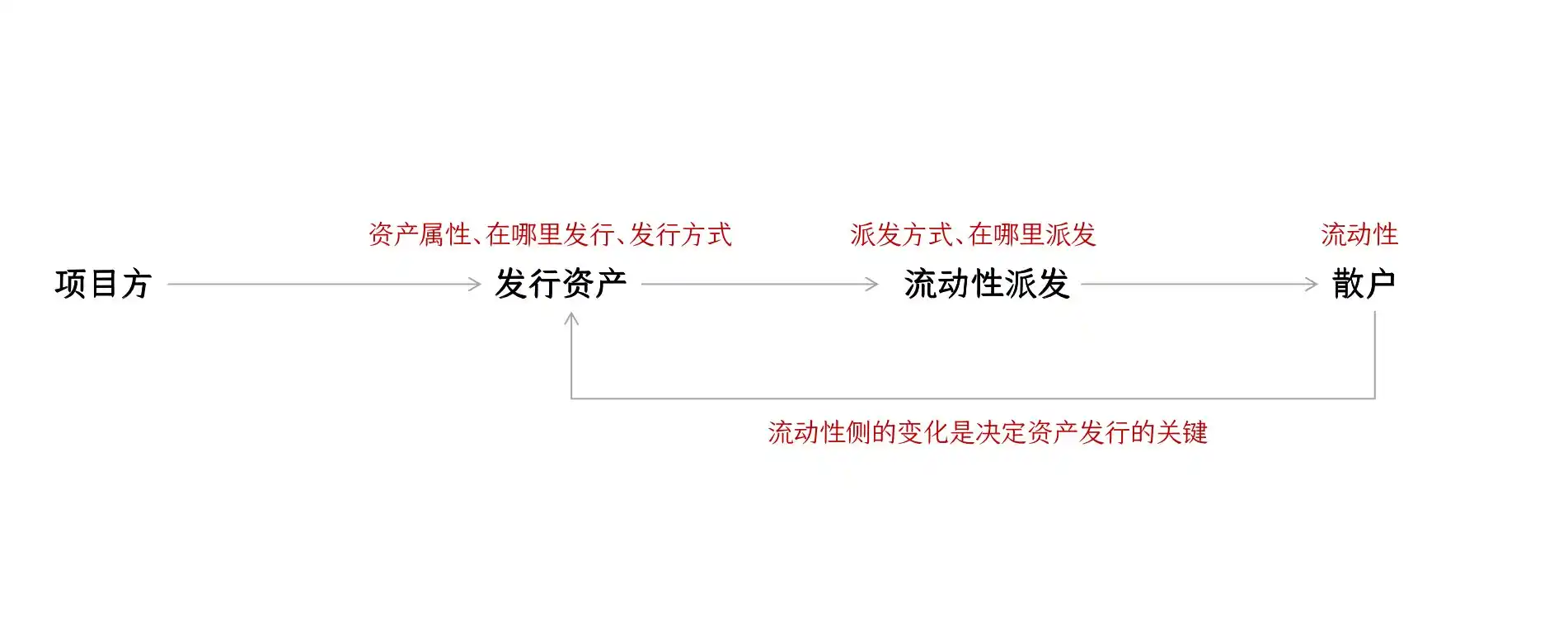
Community influencer and researcher Timo "@timotimo007" believes that Binance this time around went straight for the liquidity side of the 'demand side,' using liquidity changes to impact asset issuance. In simple terms, the immense liquidity on the Binance main site will affect how future assets are issued. Surprisingly, Binance did not consider the supply side but instead launched a major move on the liquidity side, which, in turn, will impact the supply side.
The BNB Card incident, on the other hand, triggered a KOL event that made people think about BSC's meme development. The market seems to be full of "post-traumatic stress disorder" regarding this kind of "conspiracy group" behavior. Using Meme Master Neso's concept, most of BSC's current meme coins still belong to Forced memes, which refers to memes that are artificially promoted or attempted to be forcibly made popular, rather than spreading naturally through people's love and sharing. These types of memes lack external scalability and cannot form a freely developing community scale on-chain. This will be key to BSC's success in replicating Solana.
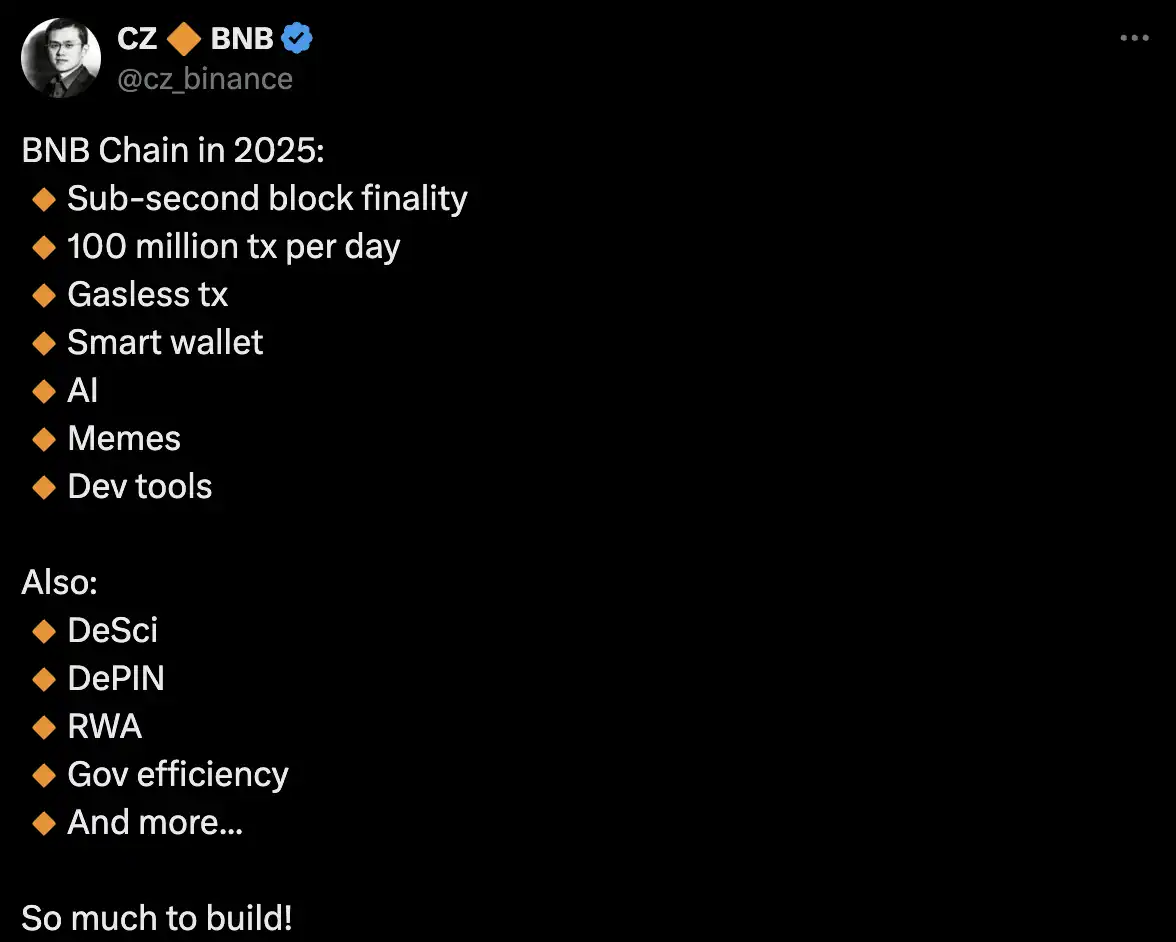
Whether the current popularity of BSC can continue remains to be seen based on market reaction. If attention and liquidity can persist and inertia is generated. According to the "Chief Intern" CZ's 2025 BNB Chain plan, AI will likely account for a larger share of resources, and the previously hyped DeSci also has a high probability of making a comeback on BSC. Regarding BSC, BlockBeats will continue to follow its next move.

You may also like

Token Cannot Compound, Where Is the Real Investment Opportunity?

The next chapter in the crypto industry will undoubtedly be written by Crypto-empowered Stocks.

February 6th Market Key Intelligence, How Much Did You Miss?

1. On-chain Flows: $508.2M USD inflow to Ethereum today; $390.8M USD outflow from Arbitrum 2. Biggest Gainers/Losers: $HBTC, $AIO 3. Top News: Current Bitcoin weekly RSI oversold signal comparable to June 2022

China's Central Bank and Eight Other Departments' Latest Regulatory Focus: Key Attention to RWA Tokenized Asset Risk


Foreword: Today, the People's Bank of China's website published the "Notice of the People's Bank of China, National Development and Reform Commission, Ministry of Industry and Information Technology, Ministry of Public Security, State Administration for Market Regulation, China Banking and Insurance Regulatory Commission, China Securities Regulatory Commission, State Administration of Foreign Exchange on Further Preventing and Dealing with Risks Related to Virtual Currency and Others (Yinfa [2026] No. 42)", the latest regulatory requirements from the eight departments including the central bank, which are basically consistent with the regulatory requirements of recent years. The main focus of the regulation is on speculative activities such as virtual currency trading, exchanges, ICOs, overseas platform services, and this time, regulatory oversight of RWA has been added, explicitly prohibiting RWA tokenization, stablecoins (especially those pegged to the RMB). The following is the full text:


To the people's governments of all provinces, autonomous regions, and municipalities directly under the Central Government, the Xinjiang Production and Construction Corps:


  Recently, there have been speculative activities related to virtual currency and Real-World Assets (RWA) tokenization, disrupting the economic and financial order and jeopardizing the property security of the people. In order to further prevent and address the risks related to virtual currency and Real-World Assets tokenization, effectively safeguard national security and social stability, in accordance with the "Law of the People's Republic of China on the People's Bank of China," "Law of the People's Republic of China on Commercial Banks," "Securities Law of the People's Republic of China," "Law of the People's Republic of China on Securities Investment Funds," "Law of the People's Republic of China on Futures and Derivatives," "Cybersecurity Law of the People's Republic of China," "Regulations of the People's Republic of China on the Administration of Renminbi," "Regulations on Prevention and Disposal of Illegal Fundraising," "Regulations of the People's Republic of China on Foreign Exchange Administration," "Telecommunications Regulations of the People's Republic of China," and other provisions, after reaching consensus with the Cyberspace Administration of China, the Supreme People's Court, and the Supreme People's Procuratorate, and with the approval of the State Council, the relevant matters are notified as follows:


  I. Clarify the essential attributes of virtual currency, Real-World Assets tokenization, and related business activities


  (I) Virtual currency does not possess the legal status equivalent to fiat currency. Virtual currencies such as Bitcoin, Ether, Tether, etc., have the main characteristics of being issued by non-monetary authorities, using encryption technology and distributed ledger or similar technology, existing in digital form, etc. They do not have legal tender status, should not and cannot be circulated and used as currency in the market.


  The business activities related to virtual currency are classified as illegal financial activities. The exchange of fiat currency and virtual currency within the territory, exchange of virtual currencies, acting as a central counterparty in buying and selling virtual currencies, providing information intermediary and pricing services for virtual currency transactions, token issuance financing, and trading of virtual currency-related financial products, etc., fall under illegal financial activities, such as suspected illegal issuance of token vouchers, unauthorized public issuance of securities, illegal operation of securities and futures business, illegal fundraising, etc., are strictly prohibited across the board and resolutely banned in accordance with the law. Overseas entities and individuals are not allowed to provide virtual currency-related services to domestic entities in any form.


  A stablecoin pegged to a fiat currency indirectly fulfills some functions of the fiat currency in circulation. Without the consent of relevant authorities in accordance with the law and regulations, any domestic or foreign entity or individual is not allowed to issue a RMB-pegged stablecoin overseas.


(II)Tokenization of Real-World Assets refers to the use of encryption technology and distributed ledger or similar technologies to transform ownership rights, income rights, etc., of assets into tokens (tokens) or other interests or bond certificates with token (token) characteristics, and carry out issuance and trading activities.


  Engaging in the tokenization of real-world assets domestically, as well as providing related intermediary, information technology services, etc., which are suspected of illegal issuance of token vouchers, unauthorized public offering of securities, illegal operation of securities and futures business, illegal fundraising, and other illegal financial activities, shall be prohibited; except for relevant business activities carried out with the approval of the competent authorities in accordance with the law and regulations and relying on specific financial infrastructures. Overseas entities and individuals are not allowed to illegally provide services related to the tokenization of real-world assets to domestic entities in any form.


  II. Sound Work Mechanism


  (III) Inter-agency Coordination. The People's Bank of China, together with the National Development and Reform Commission, the Ministry of Industry and Information Technology, the Ministry of Public Security, the State Administration for Market Regulation, the China Banking and Insurance Regulatory Commission, the China Securities Regulatory Commission, the State Administration of Foreign Exchange, and other departments, will improve the work mechanism, strengthen coordination with the Cyberspace Administration of China, the Supreme People's Court, and the Supreme People's Procuratorate, coordinate efforts, and overall guide regions to carry out risk prevention and disposal of virtual currency-related illegal financial activities.


  The China Securities Regulatory Commission, together with the National Development and Reform Commission, the Ministry of Industry and Information Technology, the Ministry of Public Security, the People's Bank of China, the State Administration for Market Regulation, the China Banking and Insurance Regulatory Commission, the State Administration of Foreign Exchange, and other departments, will improve the work mechanism, strengthen coordination with the Cyberspace Administration of China, the Supreme People's Court, and the Supreme People's Procuratorate, coordinate efforts, and overall guide regions to carry out risk prevention and disposal of illegal financial activities related to the tokenization of real-world assets.


  (IV) Strengthening Local Implementation. The people's governments at the provincial level are overall responsible for the prevention and disposal of risks related to virtual currencies and the tokenization of real-world assets in their respective administrative regions. The specific leading department is the local financial regulatory department, with participation from branches and dispatched institutions of the State Council's financial regulatory department, telecommunications regulators, public security, market supervision, and other departments, in coordination with cyberspace departments, courts, and procuratorates, to improve the normalization of the work mechanism, effectively connect with the relevant work mechanisms of central departments, form a cooperative and coordinated working pattern between central and local governments, effectively prevent and properly handle risks related to virtual currencies and the tokenization of real-world assets, and maintain economic and financial order and social stability.


  III. Strengthened Risk Monitoring, Prevention, and Disposal


  (5) Enhanced Risk Monitoring. The People's Bank of China, China Securities Regulatory Commission, National Development and Reform Commission, Ministry of Industry and Information Technology, Ministry of Public Security, State Administration of Foreign Exchange, Cyberspace Administration of China, and other departments continue to improve monitoring techniques and system support, enhance cross-departmental data analysis and sharing, establish sound information sharing and cross-validation mechanisms, promptly grasp the risk situation of activities related to virtual currency and real-world asset tokenization. Local governments at all levels give full play to the role of local monitoring and early warning mechanisms. Local financial regulatory authorities, together with branches and agencies of the State Council's financial regulatory authorities, as well as departments of cyberspace and public security, ensure effective connection between online monitoring, offline investigation, and fund tracking, efficiently and accurately identify activities related to virtual currency and real-world asset tokenization, promptly share risk information, improve early warning information dissemination, verification, and rapid response mechanisms.


  (6) Strengthened Oversight of Financial Institutions, Intermediaries, and Technology Service Providers. Financial institutions (including non-bank payment institutions) are prohibited from providing account opening, fund transfer, and clearing services for virtual currency-related business activities, issuing and selling financial products related to virtual currency, including virtual currency and related financial products in the scope of collateral, conducting insurance business related to virtual currency, or including virtual currency in the scope of insurance liability. Financial institutions (including non-bank payment institutions) are prohibited from providing custody, clearing, and settlement services for unauthorized real-world asset tokenization-related business and related financial products. Relevant intermediary institutions and information technology service providers are prohibited from providing intermediary, technical, or other services for unauthorized real-world asset tokenization-related businesses and related financial products.


  (7) Enhanced Management of Internet Information Content and Access. Internet enterprises are prohibited from providing online business venues, commercial displays, marketing, advertising, or paid traffic diversion services for virtual currency and real-world asset tokenization-related business activities. Upon discovering clues of illegal activities, they should promptly report to relevant departments and provide technical support and assistance for related investigations and inquiries. Based on the clues transferred by the financial regulatory authorities, the cyberspace administration, telecommunications authorities, and public security departments should promptly close and deal with websites, mobile applications (including mini-programs), and public accounts engaged in virtual currency and real-world asset tokenization-related business activities in accordance with the law.


  (8) Strengthened Entity Registration and Advertisement Management. Market supervision departments strengthen entity registration and management, and enterprise and individual business registrations must not contain terms such as "virtual currency," "virtual asset," "cryptocurrency," "crypto asset," "stablecoin," "real-world asset tokenization," or "RWA" in their names or business scopes. Market supervision departments, together with financial regulatory authorities, legally enhance the supervision of advertisements related to virtual currency and real-world asset tokenization, promptly investigating and handling relevant illegal advertisements.


  (IX) Continued Rectification of Virtual Currency Mining Activities. The National Development and Reform Commission, together with relevant departments, strictly controls virtual currency mining activities, continuously promotes the rectification of virtual currency mining activities. The people's governments of various provinces take overall responsibility for the rectification of "mining" within their respective administrative regions. In accordance with the requirements of the National Development and Reform Commission and other departments in the "Notice on the Rectification of Virtual Currency Mining Activities" (NDRC Energy-saving Building [2021] No. 1283) and the provisions of the "Guidance Catalog for Industrial Structure Adjustment (2024 Edition)," a comprehensive review, investigation, and closure of existing virtual currency mining projects are conducted, new mining projects are strictly prohibited, and mining machine production enterprises are strictly prohibited from providing mining machine sales and other services within the country.


  (X) Severe Crackdown on Related Illegal Financial Activities. Upon discovering clues to illegal financial activities related to virtual currency and the tokenization of real-world assets, local financial regulatory authorities, branches of the State Council's financial regulatory authorities, and other relevant departments promptly investigate, determine, and properly handle the issues in accordance with the law, and seriously hold the relevant entities and individuals legally responsible. Those suspected of crimes are transferred to the judicial authorities for processing according to the law.


 (XI) Severe Crackdown on Related Illegal and Criminal Activities. The Ministry of Public Security, the People's Bank of China, the State Administration for Market Regulation, the China Banking and Insurance Regulatory Commission, the China Securities Regulatory Commission, as well as judicial and procuratorial organs, in accordance with their respective responsibilities, rigorously crack down on illegal and criminal activities related to virtual currency, the tokenization of real-world assets, such as fraud, money laundering, illegal business operations, pyramid schemes, illegal fundraising, and other illegal and criminal activities carried out under the guise of virtual currency, the tokenization of real-world assets, etc.


  (XII) Strengthen Industry Self-discipline. Relevant industry associations should enhance membership management and policy advocacy, based on their own responsibilities, advocate and urge member units to resist illegal financial activities related to virtual currency and the tokenization of real-world assets. Member units that violate regulatory policies and industry self-discipline rules are to be disciplined in accordance with relevant self-regulatory management regulations. By leveraging various industry infrastructure, conduct risk monitoring related to virtual currency, the tokenization of real-world assets, and promptly transfer issue clues to relevant departments.


  IV. Strict Supervision of Domestic Entities Engaging in Overseas Business Activities


(XIII) Without the approval of relevant departments in accordance with the law and regulations, domestic entities and foreign entities controlled by them may not issue virtual currency overseas.


  (XIV) Domestic entities engaging directly or indirectly in overseas external debt-based tokenization of real-world assets, or conducting asset securitization activities abroad based on domestic ownership rights, income rights, etc. (hereinafter referred to as domestic equity), should be strictly regulated in accordance with the principles of "same business, same risk, same rules." The National Development and Reform Commission, the China Securities Regulatory Commission, the State Administration of Foreign Exchange, and other relevant departments regulate it according to their respective responsibilities. For other forms of overseas real-world asset tokenization activities based on domestic equity by domestic entities, the China Securities Regulatory Commission, together with relevant departments, supervise according to their division of responsibilities. Without the consent and filing of relevant departments, no unit or individual may engage in the above-mentioned business.


  (15) Overseas subsidiaries and branches of domestic financial institutions providing Real World Asset Tokenization-related services overseas shall do so legally and prudently. They shall have professional personnel and systems in place to effectively mitigate business risks, strictly implement customer onboarding, suitability management, anti-money laundering requirements, and incorporate them into the domestic financial institutions' compliance and risk management system. Intermediaries and information technology service providers offering Real World Asset Tokenization services abroad based on domestic equity or conducting Real World Asset Tokenization business in the form of overseas debt for domestic entities directly or indirectly venturing abroad must strictly comply with relevant laws and regulations. They should establish and improve relevant compliance and internal control systems in accordance with relevant normative requirements, strengthen business and risk control, and report the business developments to the relevant regulatory authorities for approval or filing.


  V. Strengthen Organizational Implementation


  (16) Strengthen organizational leadership and overall coordination. All departments and regions should attach great importance to the prevention of risks related to virtual currencies and Real World Asset Tokenization, strengthen organizational leadership, clarify work responsibilities, form a long-term effective working mechanism with centralized coordination, local implementation, and shared responsibilities, maintain high pressure, dynamically monitor risks, effectively prevent and mitigate risks in an orderly and efficient manner, legally protect the property security of the people, and make every effort to maintain economic and financial order and social stability.


  (17) Widely carry out publicity and education. All departments, regions, and industry associations should make full use of various media and other communication channels to disseminate information through legal and policy interpretation, analysis of typical cases, and education on investment risks, etc. They should promote the illegality and harm of virtual currencies and Real World Asset Tokenization-related businesses and their manifestations, fully alert to potential risks and hidden dangers, and enhance public awareness and identification capabilities for risk prevention.


  VI. Legal Responsibility


  (18) Engaging in illegal financial activities related to virtual currencies and Real World Asset Tokenization in violation of this notice, as well as providing services for virtual currencies and Real World Asset Tokenization-related businesses, shall be punished in accordance with relevant regulations. If it constitutes a crime, criminal liability shall be pursued according to the law. For domestic entities and individuals who knowingly or should have known that overseas entities illegally provided virtual currency or Real World Asset Tokenization-related services to domestic entities and still assisted them, relevant responsibilities shall be pursued according to the law. If it constitutes a crime, criminal liability shall be pursued according to the law.


  (19) If any unit or individual invests in virtual currencies, Real World Asset Tokens, and related financial products against public order and good customs, the relevant civil legal actions shall be invalid, and any resulting losses shall be borne by them. If there are suspicions of disrupting financial order and jeopardizing financial security, the relevant departments shall deal with them according to the law.


  This notice shall enter into force upon the date of its issuance. The People's Bank of China and ten other departments' "Notice on Further Preventing and Dealing with the Risks of Virtual Currency Trading Speculation" (Yinfa [2021] No. 237) is hereby repealed.


Former Partner's Perspective on Multicoin: Kyle's Exit, But the Game He Left Behind Just Getting Started

Kyle knew his game, so he decided to focus on playing the game he was good at and interested in.

Why Bitcoin Is Falling Now: The Real Reasons Behind BTC's Crash & WEEX's Smart Profit Playbook

Bitcoin's ongoing crash explained: Discover the 5 hidden triggers behind BTC's plunge & how WEEX's Auto Earn and Trade to Earn strategies help traders profit from crypto market volatility.

Wall Street's Hottest Trades See Exodus

This time there is no single triggering factor, but rather market anxiety about asset valuation, with many already skeptical of these valuations being too high, leading to investors choosing to retreat almost simultaneously.

Popular coins

Latest Crypto News

Read more