Real World Asset (RWA) Tokenization





The tokenization of real assets has moved beyond a distant promise to become one of the most concrete movements in the Brazilian financial market in 2026. In the first quarter alone, the sector saw R$ 3.76 billion in issuances across the country, a growth of 121% over the same period in 2025, while the Central Bank advances a schedule capable of unlocking trillions in credit over the coming years. For the crypto investor, this represents a gateway to real estate, receivables, commodities, and debt securities using the same blockchain infrastructure as Bitcoin and Ethereum, now with easier access through platforms like WEEX.
What is real world asset (RWA) tokenization and why is it trending?
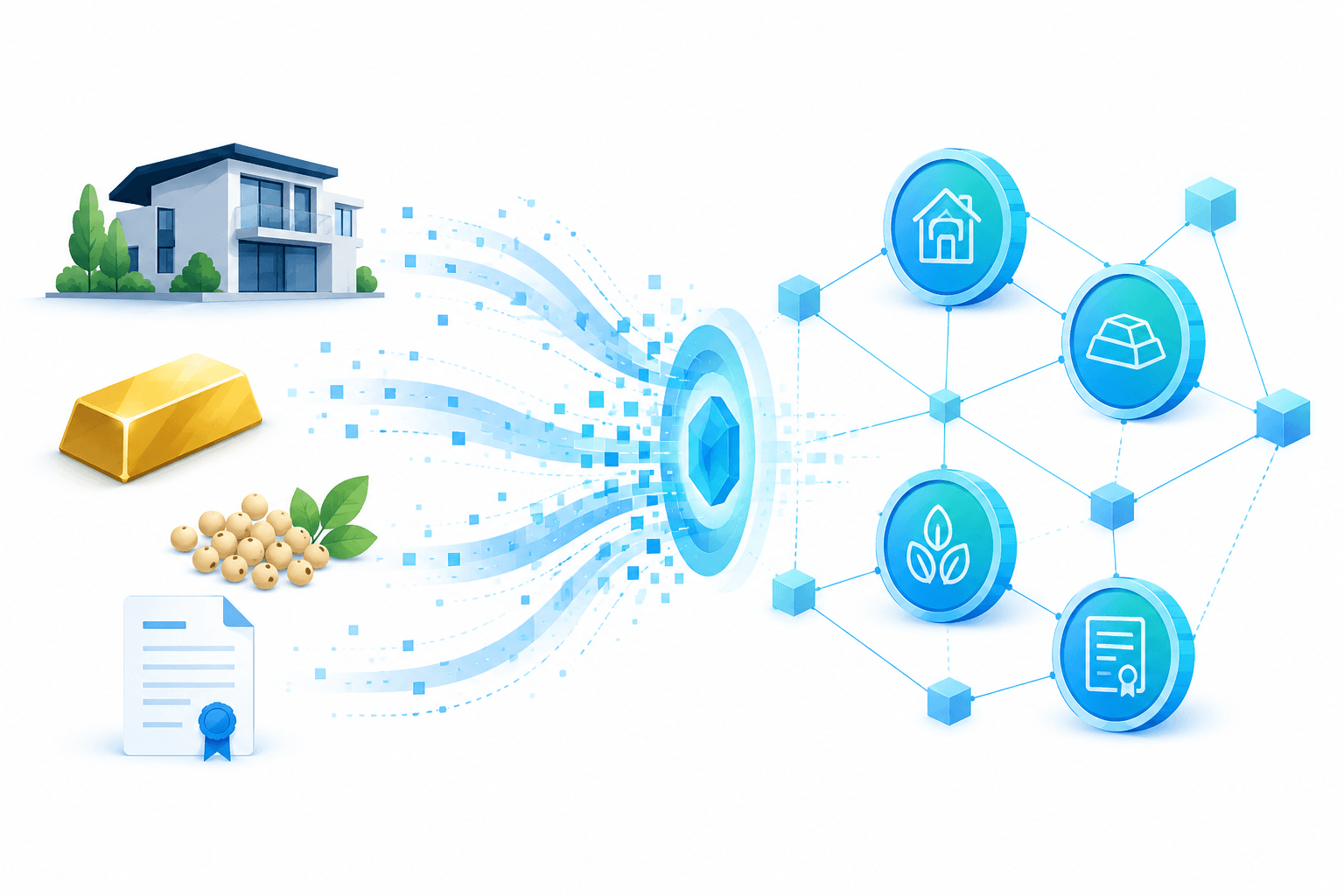
Real world asset tokenization is the process of transforming physical or financial goods into digital tokens registered on a blockchain, with each token representing a fraction of the economic rights to the original asset. Real estate, debt securities, a bushel of soybeans, or commercial receivables no longer exist solely in contracts and notary offices; they gain a digital version that can be traded, fractionalized, and settled in real time, with the same transparency and immutability that characterize Bitcoin and Ethereum.
The practical difference for the investor is significant: while native cryptocurrencies exist only on the blockchain and fluctuate according to the supply and demand of the crypto market itself, RWA tokens have their value pegged to a real asset, which reduces the typical volatility of the sector and opens access to markets previously restricted to large institutions. In Brazil, this movement has gained traction because it combines three factors that rarely appear together: a regulatory framework structured by the CVM, mature technological infrastructure, and real demand from companies and investors who see tokenization as an efficient channel for financing and capital allocation.
Which assets can be tokenized in practice?
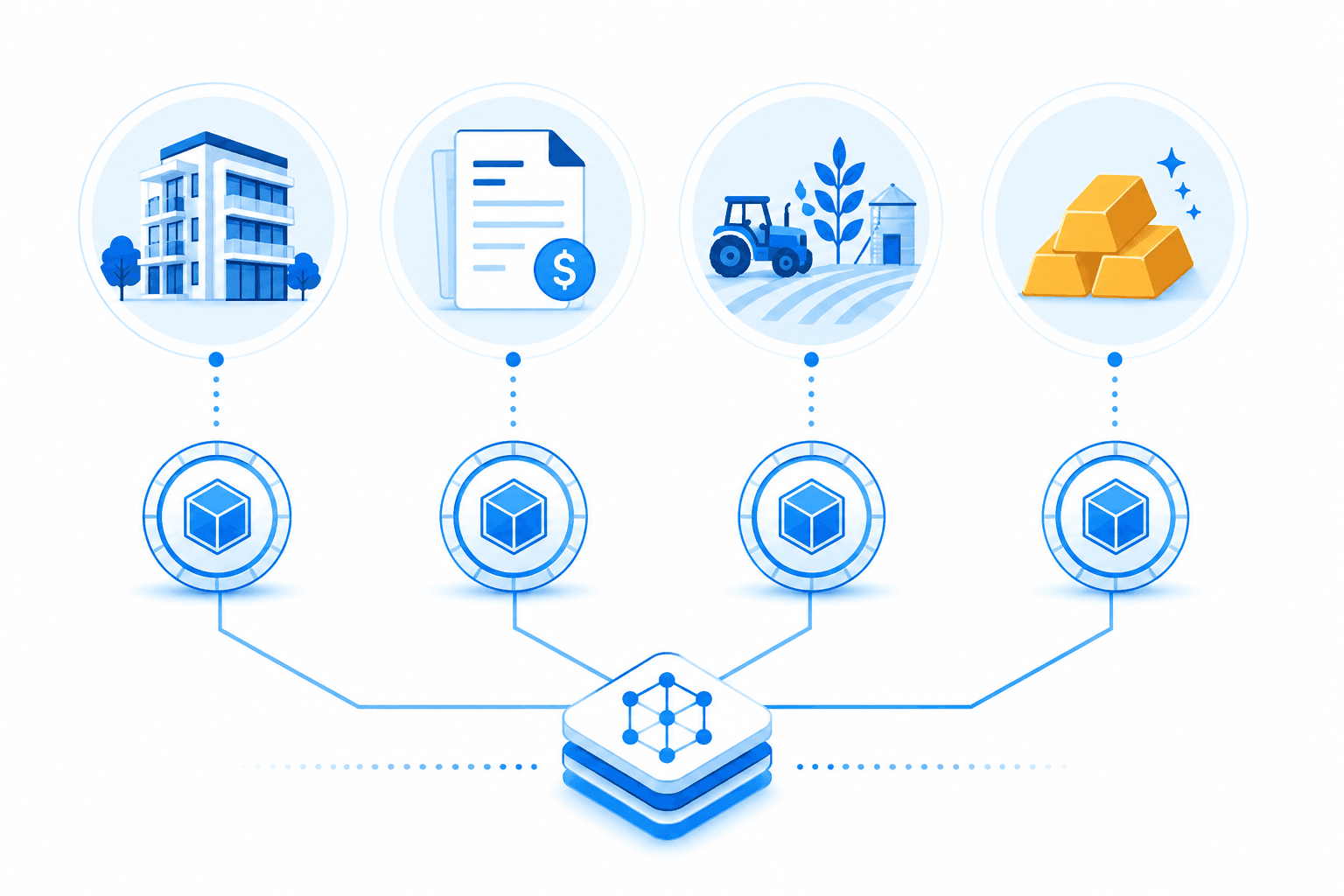
Almost any asset with economic value can be tokenized, but some classes account for the majority of the volume in Brazil in 2026: commercial receivables, private credit securities, real estate, agricultural commodities, and gold. Each of these categories solves a specific friction in the traditional market, whether it is the lack of liquidity in real estate assets, the bureaucracy in the assignment of receivables, or restricted access to investments in physical commodities, and tokenization acts as a digital layer that makes trading and custody much more efficient.
The weight of tokenized CCBs and book-entry duplicates
The tokenized bank credit receipt, known as a tokenized CCB, already accounts for practically one-third of the entire Brazilian RWA market, with more than R$ 1 billion in issuances recorded in January 2026. This instrument allows companies to raise credit directly from investors, without the traditional banking intermediary, and in parallel, the Central Bank is working on the book-entry duplicate, which fully digitizes the commercial receivables cycle and could unlock trillions in credit over the coming years.
ONDO as a bridge between the crypto investor and RWAs
For the investor who already operates in the crypto universe and wants exposure to the topic without migrating to specific tokenization platforms, Ondo Finance has emerged as the most relevant bridge asset in the market, offering tokenized products backed by US Treasury bonds and private credit with on-chain liquidity. ONDO functions as a natural gateway for those seeking returns from traditional assets without leaving the blockchain infrastructure, a role we explore in detail in our article on agricultural tokenization.
How can Brazilians invest in RWA safely?
The starting point for investing in RWA safely in Brazil is to understand which platform the asset was issued on and under what regulation it operates, as tokens backed by receivables, private credit, or real estate must comply with CVM resolutions 88 and 160, which deal with crowdfunding with tokenization and public offerings of securities, respectively. This framework is what separates a legitimate RWA token, with auditable backing and identified counterparties, from an offering without regulatory support that puts the investor's capital at risk.
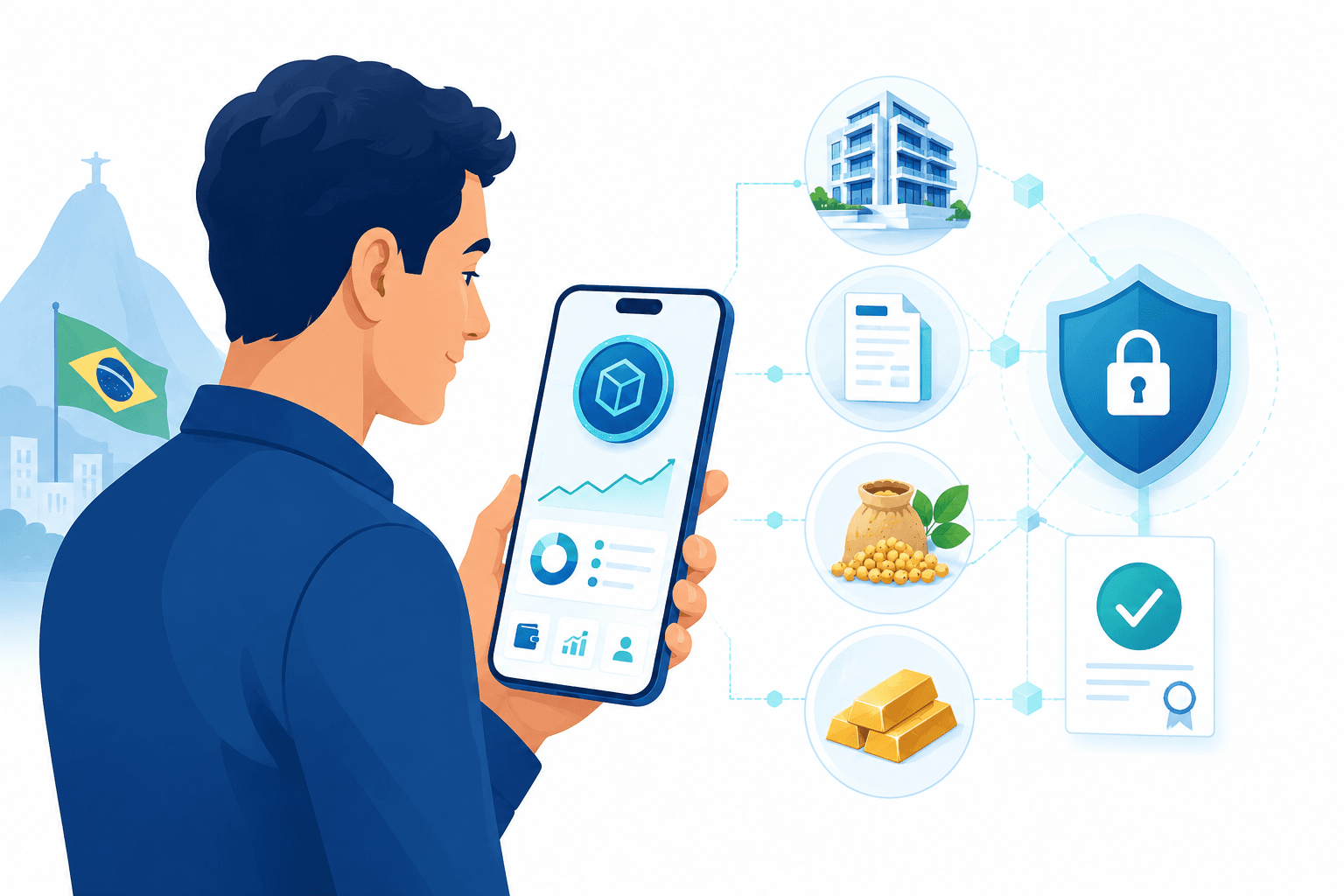
Before investing, the investor needs to evaluate three practical points: the quality of the underlying asset, that is, who is the debtor in the case of a receivable or what is the property in the case of real estate tokenization; the structure of guarantees provided in the smart contract; and the liquidity of the token in the secondary market, which is still the Achilles' heel of a good part of the sector. Platforms specialized in RWA handle the issuance and custody of these assets, but for the investor who is just arriving from the crypto universe, it makes more sense to start with the bridge asset than with the more complex end.
This is where WEEX positions itself as a natural gateway: by offering access to ONDO and other tokens related to the RWA ecosystem with global liquidity, institutional security, and support in Portuguese, the exchange allows the Brazilian investor to gain exposure to the topic using a familiar infrastructure before advancing to specific tokenization platforms, when and if it makes sense for their strategy.
What are the risks and what to expect from RWA in Brazil in 2026?
The main risks of real world asset tokenization are not in the blockchain technology itself, which is already consolidated, but on three fronts that the investor needs to monitor closely: the quality of the underlying asset, which may suffer default or devaluation regardless of the digital layer; counterparty risk, linked to the solidity of the issuing platform and the custody of physical or financial assets; and secondary market liquidity, which is still limited for many tokens and may hinder exit during times of stress.
On the regulatory horizon, Brazil is moving toward a more mature scenario with the Central Bank's book-entry duplicate advancing through homologation tests concluded in March 2026, a sandbox throughout the year, and phased mandatory adoption starting in 2027, a movement we detail in the article on the BACEN regulatory schedule. For the Brazilian crypto investor, the reading is clear: the RWA sector should continue to grow at an accelerated pace, but with a natural selection happening between solid projects and opportunistic offerings, which makes it even more relevant to start with the bridge asset with institutional backing before migrating to niche platforms.
Conclusion
Real world asset tokenization consolidated itself in 2026 as one of the most solid vectors of convergence between the traditional financial market and blockchain infrastructure, and the Brazilian numbers confirm that the movement has left the field of speculation to enter that of execution. For the investor coming from the crypto universe, the opportunity lies in understanding this transition in advance, choosing entry points with institutional backing, and building exposure gradually as the regulatory scenario matures. Starting with ONDO on WEEX is one of the most direct ways to participate in this wave without sacrificing the security and liquidity that the Brazilian investor needs.
Frequently Asked Questions
What is real world asset tokenization?
It is the process of transforming physical or financial goods, such as real estate, receivables, and commodities, into digital tokens registered on a blockchain, allowing for fractional trading and real-time settlement backed by a real-world asset.
Is RWA safe to invest in in Brazil?
It can be, provided that the token complies with CVM resolutions 88 and 160 and has auditable backing. The investor should evaluate the underlying asset, guarantees, and liquidity before investing.
How to start investing in RWA?
Through the bridge asset ONDO on WEEX, gaining exposure to the sector with global liquidity and institutional security.
Disclaimer